Progressive Driving Lessons: Enroll in Our Expert-Led Driving Class Today!
Progressive driving lessons provide a structured approach to learning how to operate a vehicle. Joining an instructor-led program can greatly enhance a student's abilities and self-assurance. The course is thoughtfully structured to cover both basic and advanced techniques, accommodating different skill levels. Being aware of what these lessons entail can make all the difference. There are several key components that support successful skill development and test readiness.
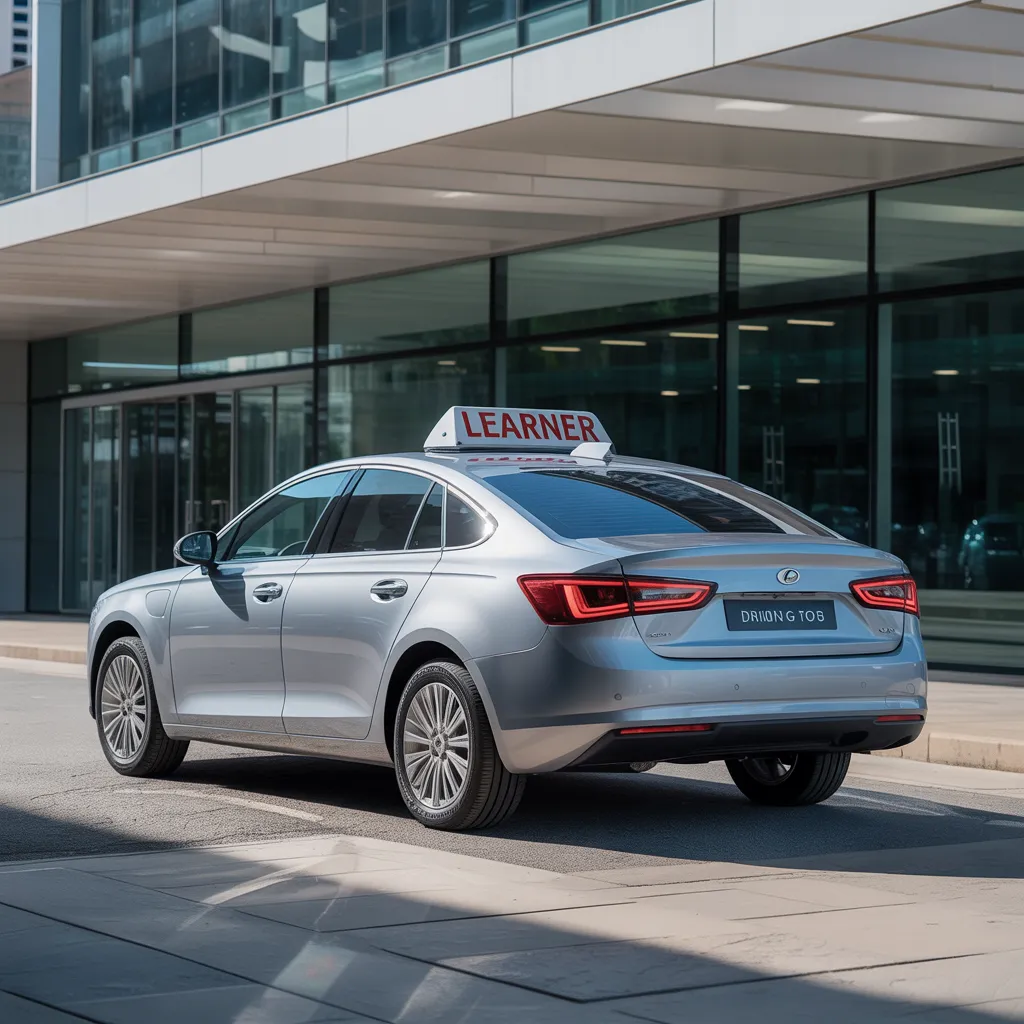
What You Can Expect During Your First Driving Class
As soon as a student starts their introductory driving lesson, they may notice a mix of anticipation and nervousness. The instructional space, usually shared with fellow students, creates the foundation for a meaningful experience. Teachers typically start with introductions, detailing the program framework and safety protocols. Students can expect to receive educational materials, including guides and reference sheets, which will function as valuable references throughout their course of study.
The primary emphasis is mainly on understanding car controls, fundamental road signs, and essential traffic rules. Instructors frequently stress the significance of staying calm while driving. Pupils are prompted to ask queries, building an encouraging educational setting. Once the theoretical component is complete, numerous courses feature practical exercises, where students become familiar with the automobile in a supervised environment. This integration of theoretical and practical training prepares students for the journey ahead, building self-assurance as they embark on the road to becoming safe, skilled drivers.
Driving Curriculum: Basics to Advanced
A thorough driving curriculum covers a journey from basic skills to higher-level skills, so that students develop a robust understanding before tackling more challenging driving situations. At first, students focus on basic vehicle management, including steering, deceleration, and speed control. Students gain knowledge of critical road regulations, road signs, and safe driving practices, delivering a comprehensive grasp of the rules of the road.
As learners display proficiency in these basics, the training evolves to more complex abilities. This involves maneuvering across multiple terrain types, handling challenging weather situations, and mastering defensive driving techniques. Moreover, drivers gain experience with motorway navigation and challenging junctions, enhancing their ability to act decisively in challenging circumstances.
Throughout the program, educators highlight the value of environmental awareness and safe driving practices. This organized methodology enables students not only to succeed in their driving examinations but also to become confident and competent drivers in varied conditions.
Developing Confidence as a New Driver
New drivers often face challenges in building their confidence behind the wheel. The initial experience of driving can be overwhelming, with numerous tasks to manage and a constant need for focus. To help reduce stress, beginner drivers can gain from steady, hands-on experience across different driving scenarios. Starting in low-traffic areas allows them to develop basic skills without the pressure of more complex environments.
Consistent practice is crucial; the more time spent driving, the more familiar and comfortable they become with their vehicle and surroundings. Moreover, participating in professionally guided driving lessons delivers structured instruction and knowledgeable support, nurturing a sense of reassurance. Constructive feedback from teachers and supportive classmates can additionally strengthen a new driver's sense of self-assurance. Over time, as skills improve, new drivers will find their confidence grows, transforming driving from a challenging task into a more enjoyable and liberating experience.
How to Prepare for Your Driving Test
How should a new driver go about preparing for their driving test? Proper preparation plays a vital role in achieving success. First, familiarizing oneself with the vehicle is important. New drivers must ensure they are comfortable operating all vehicle controls, such as lights, wipers, and signals. Next, practicing maneuvers such as parallel parking, three-point turns, and lane changes will enhance their skill set.
In addition, examining the local traffic laws and rules can provide valuable insight into what examiners typically look for. Scheduling a mock test with an experienced instructor can recreate the examination setting, which can help ease nerves.
Lastly, confirming all essential documents are in order, such as the learner's license and proof of identity, is crucial. By following these steps, new drivers can tackle their driving test with assurance, improving their probability of passing on the first attempt.
Common Questions About Driving Lessons
What do aspiring drivers need to understand prior to beginning lessons? Numerous people share similar questions about the driving lesson process. To begin with, many students inquire about the age requirements; most regions mandate that students be at least 16 years old to obtain a learner's permit. Another widely asked question involves the duration of each lesson; typically, each session lasts about one to two hours, depending on the student's needs and skills.
Future drivers regularly seek information regarding the fees involved in driver training sessions. Costs can differ significantly based on where you live and the experience of your instructor. In addition, many question whether they must bring their own vehicle; the majority of driving schools supply vehicles equipped with dual controls for safe instruction.
Finally, students commonly question the course content. Thorough classes typically include essential driving skills, traffic laws, and safety guidelines, guaranteeing that pupils are thoroughly prepared for their driving exam as well as everyday driving scenarios.
Why Choosing Expert-Led Driving Lessons Is a Smart Decision?
Why choose expert-led driving lessons over casual instruction? The answer lies in the quality and effectiveness of the training provided. Qualified instructors hold comprehensive knowledge of driving skills, road laws, and safety guidelines, making certain that learners are provided with a thorough and detailed education. They utilize a well-organized curriculum that develops abilities step by step, making it easier for students to grasp complex concepts.
In addition, expert-led lessons often incorporate actual driving conditions, preparing learners to deal with a range of road conditions with assurance. Teachers can provide personalized feedback and corrections, which are tremendously beneficial for cultivating proper driving behaviors. Furthermore, their experience enables them to personalize sessions to individual learning styles, enhancing knowledge retention and ability development.
Ultimately, experienced instructors generally keep up with up-to-date guidelines and innovations in driving education, making sure their lessons incorporate modern best practices. This professionalism makes expert-led driving lessons a superior choice for people seeking to master safe and effective driving skills.

Common Questions and Answers
At What Age Can I Begin Taking Driving Lessons?
Typically, learners can commence taking driving lessons at the age of 16, although some regions allow students to begin at 15. It's crucial to review regional rules regarding age eligibility requirements for driving lessons.
Can You Take Driving Lessons on Weekends?
Weekend driving lessons are commonly offered, suiting a variety of scheduling needs. Most driving schools are aware of the growing demand for weekend instruction, giving students the freedom to study without interfering with their weekday obligations.
Can I Use My Own Car for Lessons?
Pupils may typically Driving School use their own cars for driving instruction, provided the vehicle meets safety requirements and is in good working condition. Driving instructors commonly recommend this approach to guarantee confidence and ease while learning to drive.
What Occurs if I Skip a Class?
In the event that a student misses a class, they may need to reschedule or make up the lesson. Attendance policies vary, so it's advisable for the student to check with the instructor to learn about potential penalties or available arrangements.
Are Lessons Available for Both Automatic and Manual Cars?
Yes, the course offers instruction for both manual and automatic cars. Students can opt for their preferred transmission type, ensuring they are provided with personalized instruction that fulfills their personal driving needs and preferences for training.